

Materials That Last in Singapore’s Humid Weather
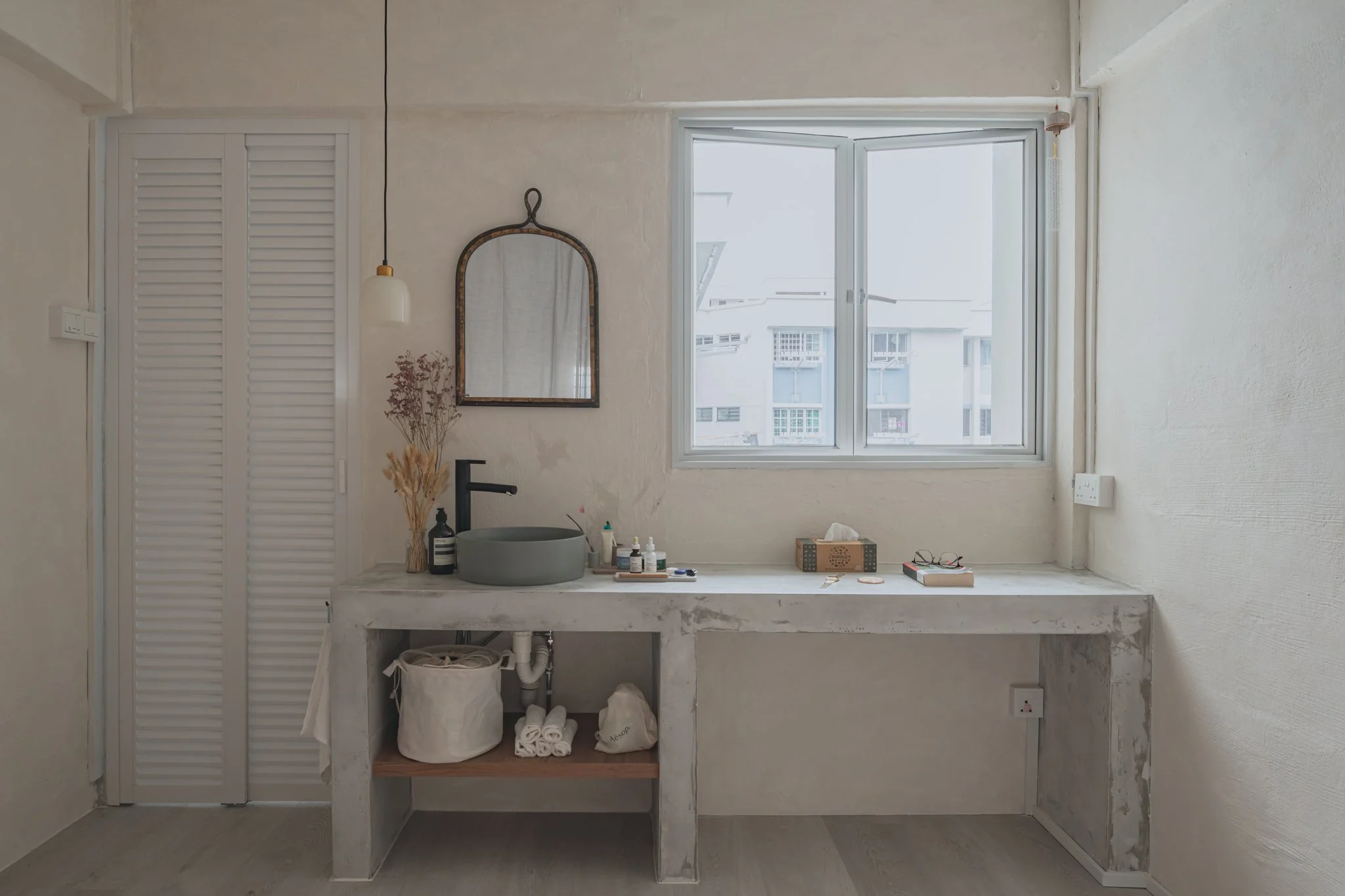
Singapore’s tropical climate is both a blessing and a challenge for homeowners. The warmth and greenery are great for outdoor activities or drying laundry, but year-round heat, high humidity, heavy rainfall, and intense sunlight can sometimes mean that four walls cannot fully protect your home. Poorly chosen materials are quick to suffer from warping, mould, discolouration, and constant maintenance headaches. That is why selecting the right materials for your new or existing home is essential for creating a space that is durable yet pleasing to the eyes. 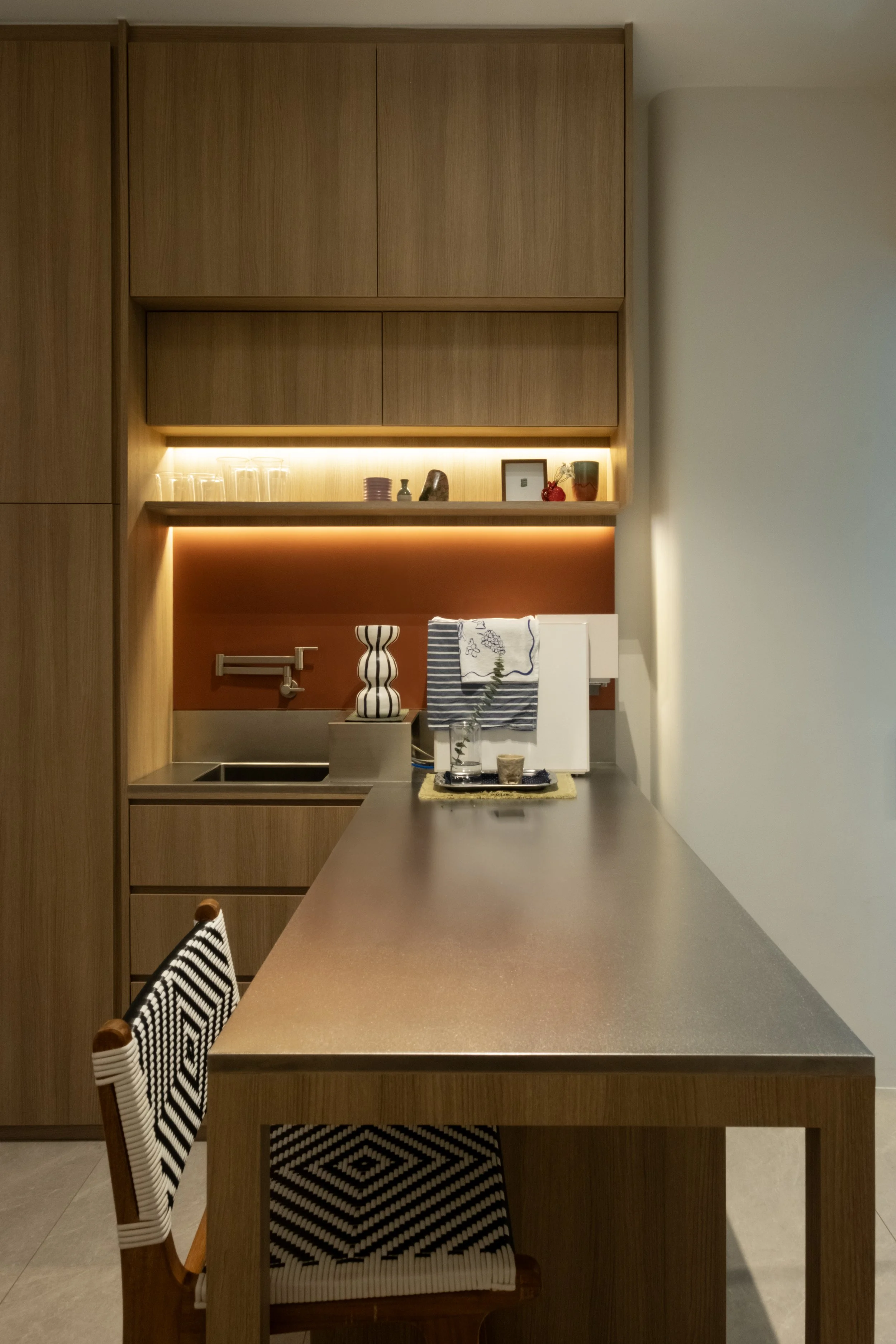
1. Choose moisture-resistant materials
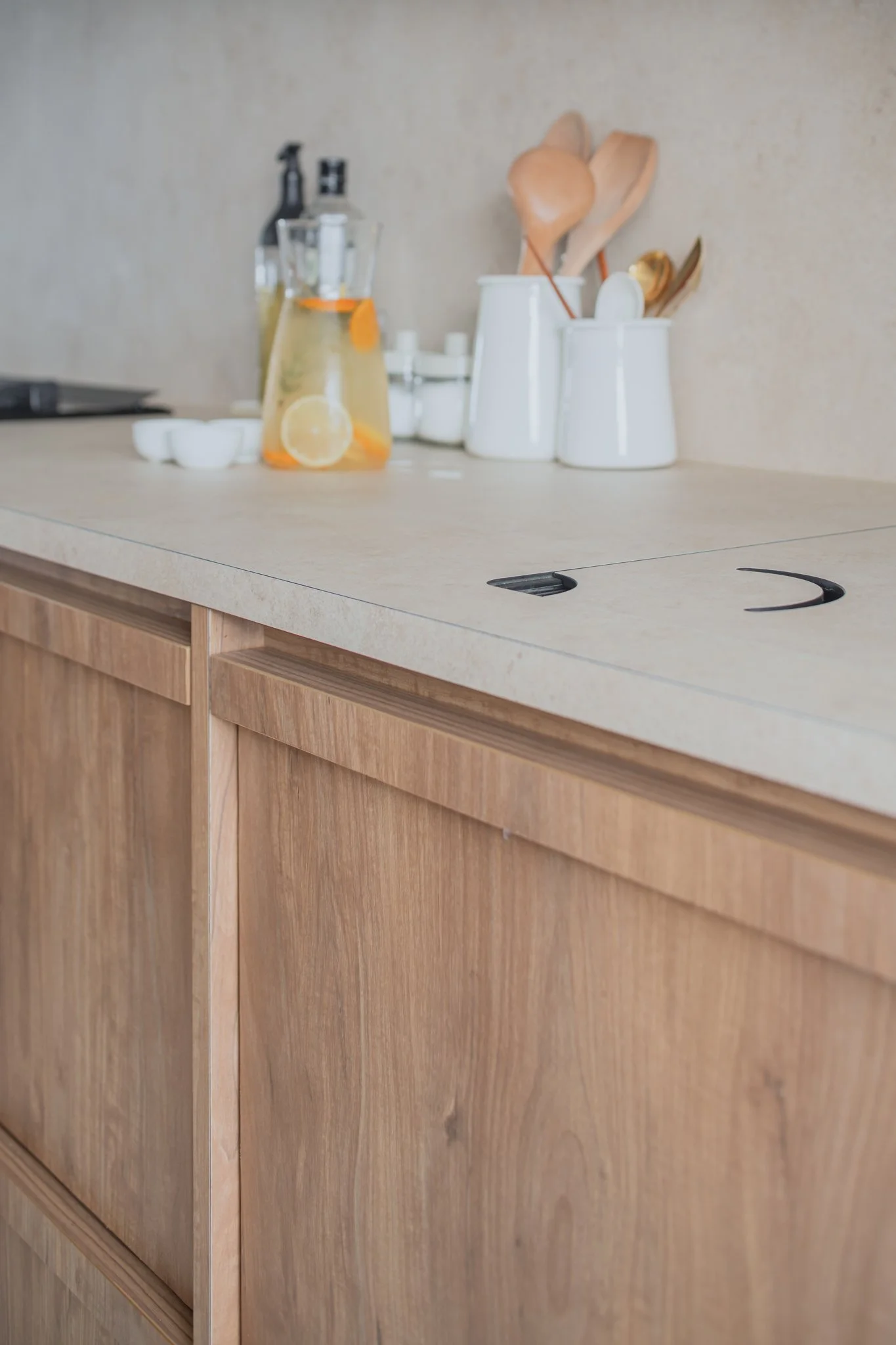
Select moisture-resistant materials such as treated wood, corrosion-resistant metals, and high-quality plastics for areas with frequent water exposure, such as kitchens and bathrooms. Engineered or treated wood offers greater stability than solid timber, which is often prone to swelling and warping in humid conditions. Alternatively, opt for laminates and veneers which also provide the warmth and look of wood but have better resistance to moisture and require less maintenance.

Be sure to implement protective measures whenever possible such as using coasters and mats to minimise the risk of water damage. If you are unsure which metals to choose, take a cue from everyday household items: kitchenware and handles are often made from stainless steel or aluminium because these metals resist corrosion and rust far better than untreated alternatives.

For added durability, look for powder-coated finishes on metal furniture. High-quality plastics and composite materials are also excellent choices for cabinetry, countertops, and outdoor furniture in areas such as service yards and balconies, as they withstand mildew, cracking, and water damage over time. 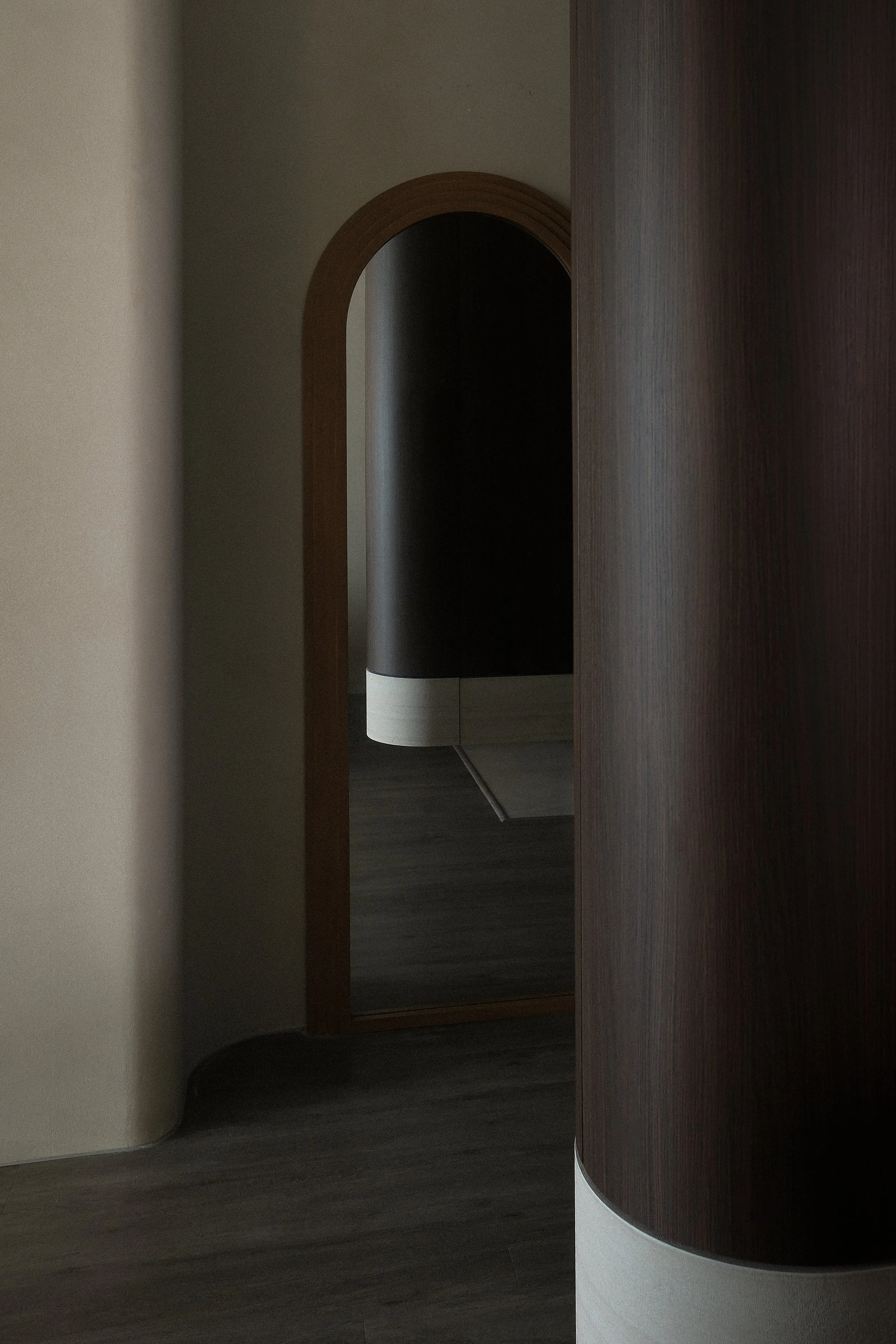
2. Flooring
Flooring is often overlooked during BTO renovations, yet it is critical in a humid climate. High humidity and occasional water spills can quickly damage materials that are not suitable for Singapore’s weather. Popular choices lately include porcelain and ceramic tiles, which are durable, moisture-resistant, easy to maintain, and help keep floors cool, though they do require regular grout cleaning. Vinyl flooring is a cost-friendly option that is water-resistant and stands up well to heavy foot traffic. For those who prefer the natural beauty of wood, opt for treated engineered wood flooring as it resists swelling and warping unlike solid wood. Carpets should generally be avoided as they trap moisture and encourage mold growth, though low-pile or moisture-resistant rugs can still be used in dry areas for added comfort.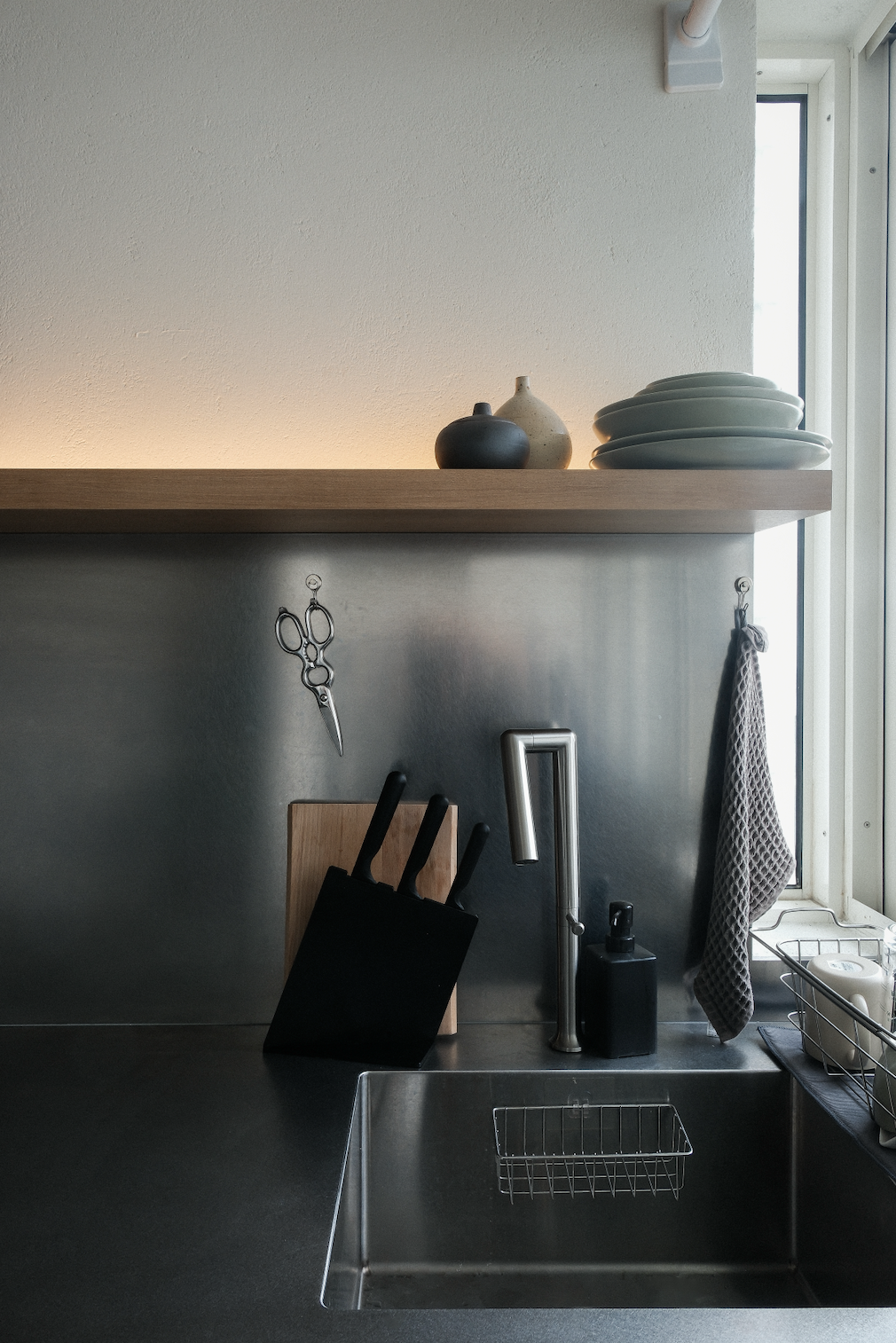
While materials with protective coatings and finishes may require a higher upfront investment, your wallet will thank you for it later as they play a vital role in extending the lifespan of materials for the long-run. High-quality, mold-resistant paints and wall finishes protect against humidity-related damage, while water-repellent sealants safeguard wood and stone from warping, staining, and water intrusion. In areas exposed to strong sunlight, UV-protective coatings are equally important, helping to minimise fading, discoloration, and cracking over time. Remember to perform regular maintenance (e.g. repainting or resealing) on your furniture every few years to preserve its durability and keep your home looking fresh and well-maintained!
3. Protective coatings & finishes
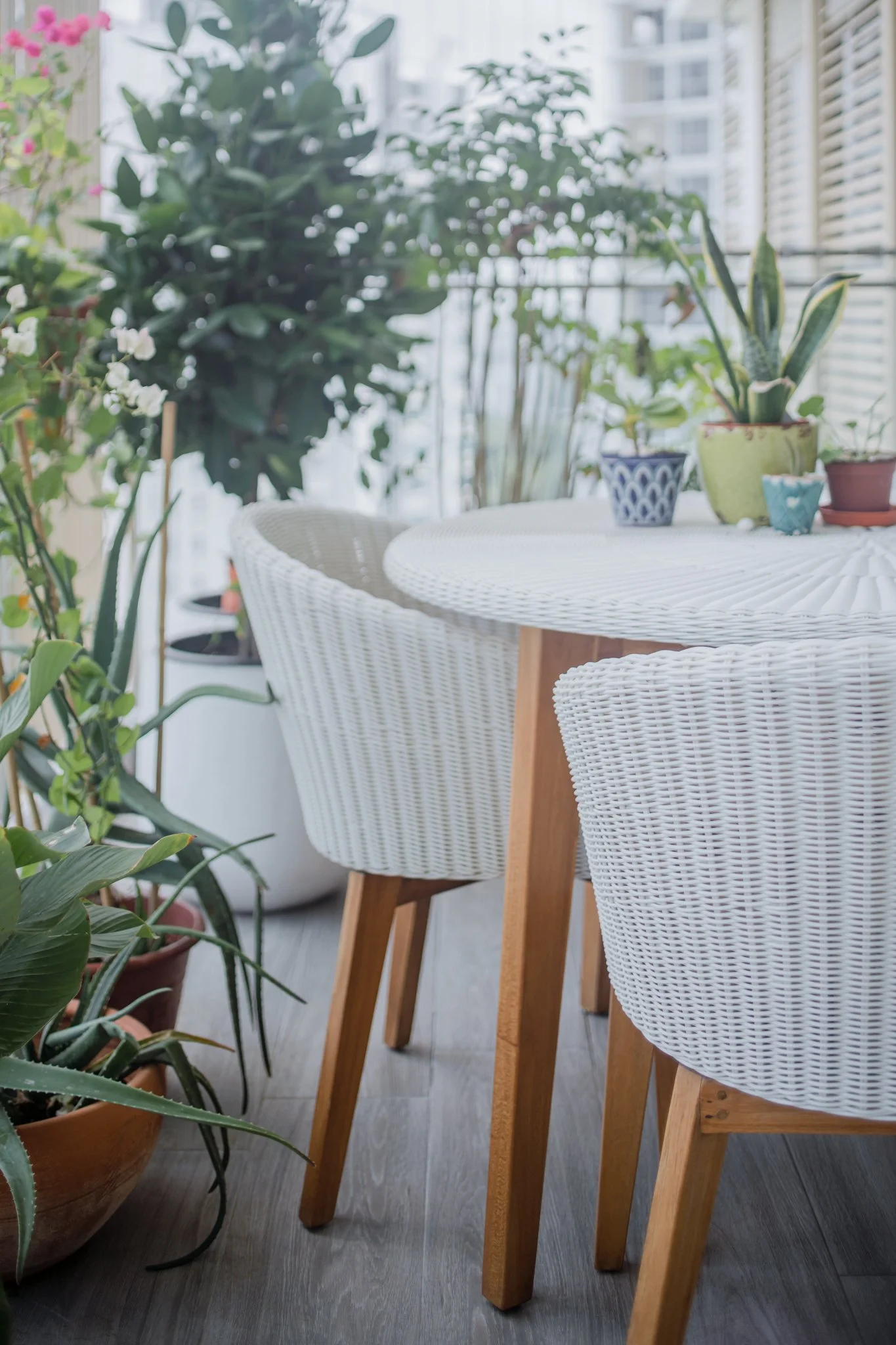
Outdoor areas in Singapore face additional challenges due to direct exposure to rain, humidity, and strong sunlight. Hardwoods like teak, Balau, or Ipe are naturally resistant to moisture, termites, and rot, making them excellent for outdoor furniture. Synthetic rattan and wicker offer the natural aesthetic of wood or rattan and are weather-resistant and easy to maintain. Fabrics for outdoor cushions, umbrellas, or awnings should be quick-drying, mold-resistant, and fade-resistant, so that comfort is guaranteed without compromising durability.4. Outdoor Furniture
You cannot just let the materials do the work; you have to too! Even the best materials require care. Routine cleaning prevents mold, mildew, and algae buildup, especially in humid corners and shaded areas. Regularly inspect for leaks, water pooling, or blocked drainage, as stagnant water can damage floors and furniture over time. Rotating cushions or moving furniture exposed to direct sunlight helps prevent uneven wear and fading. While investing in high-quality, durable materials may require a higher upfront budget, it will save significant time, effort, and money on repairs or replacements later.5. Clean, clean, CLEAN
Before making a purchase, it is always wise to review product specifications for moisture resistance or humidity ratings and to choose brands with proven performance in tropical climates. At Insight.Out Studio, we go a step further by recommending the best materials that not only suit Singapore’s weather but are also tailored to your lifestyle, budget, and design preferences.A summary
-
✽
Treated wood, corrosion-resistant metals, and high-quality plastics withstand humidity
-
✽
Tiles, vinyl, or treated engineered wood for durability and easy maintenance
-
✽
Apply mold-resistant paints, sealants, and UV finishes to protect surfaces
-
✽
Pick weather-resistant woods, synthetic rattan, and quick-drying fabrics
-
✽
Routine cleaning and inspections keep materials lasting longer.
Want More Inspiration?