

Small Space, Big Style:
5 Proven Strategies to Maximise Your HDB or Condo Living
Living in a compact space does not mean you have to compromise comfort, aesthetics, or personality. With intentional design, just like the clever layouts found in IKEA showrooms, even the smallest HDB flats and condos can feel spacious, stylish, and homey.

The secret lies in incorporating interior design strategies that make every square foot work smarter and look better. Rather than cramming everything in, the goal is to create the illusion of openness and enhance the flow throughout your home.

Here are 5 effective ways to maximise your HDB or condo space: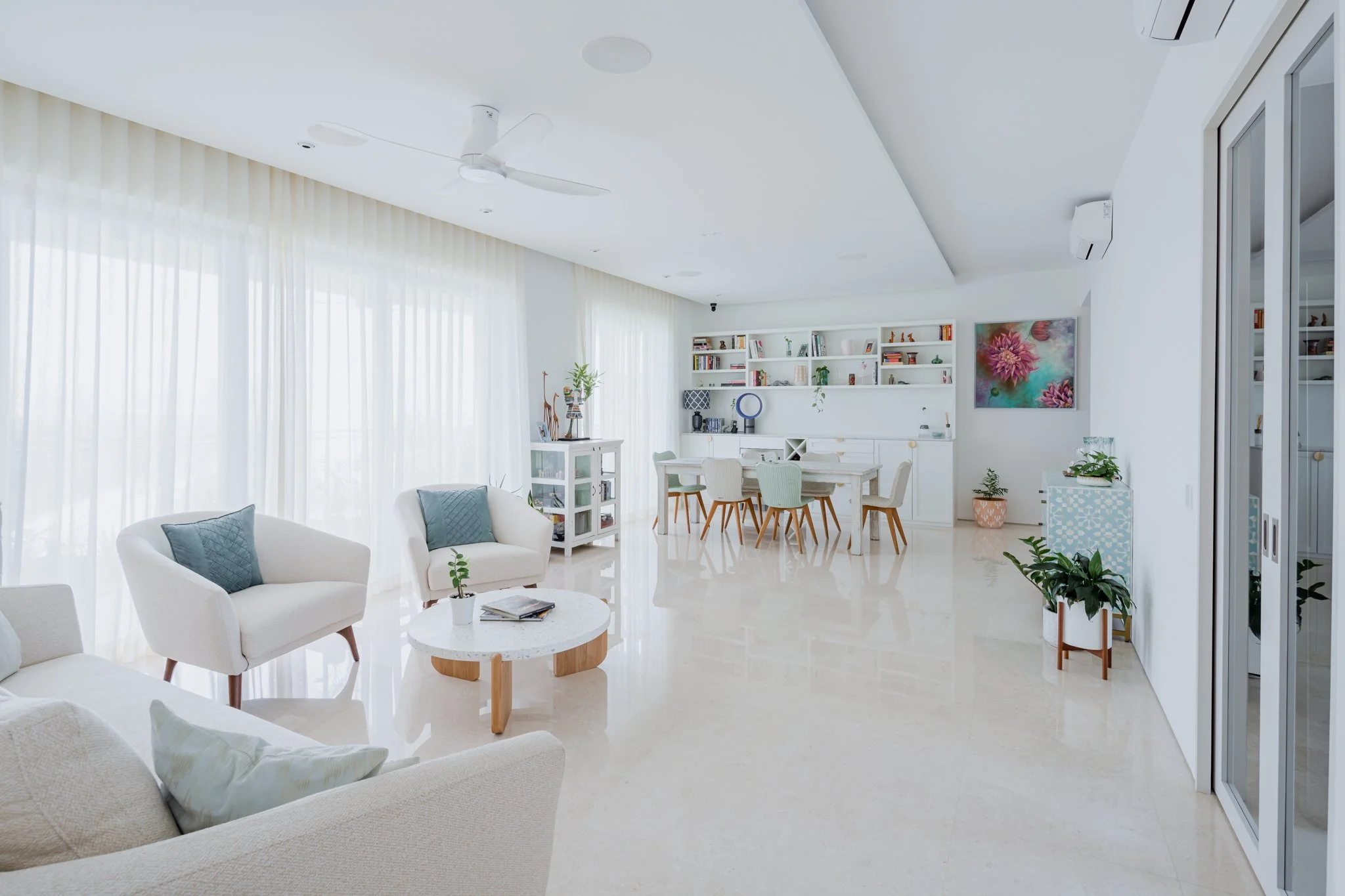
1. Show Off Your Floors and Walls
To create a greater sense of openness, either draw the eye upward to the walls or allow natural light to flow freely across your floors.

Low-profile furniture are characterised by their lower height and sleek, minimal design. These pieces sit closer to the ground and expose more wall space above them. This visually extends the height of your ceiling, making the room feel larger and more open. Common examples of such furniture include platform beds, low sofas, and compact shelving units. Many of these pieces also offer clever hidden storage solutions, helping you keep your living space tidy and further enhance the feeling of openness.

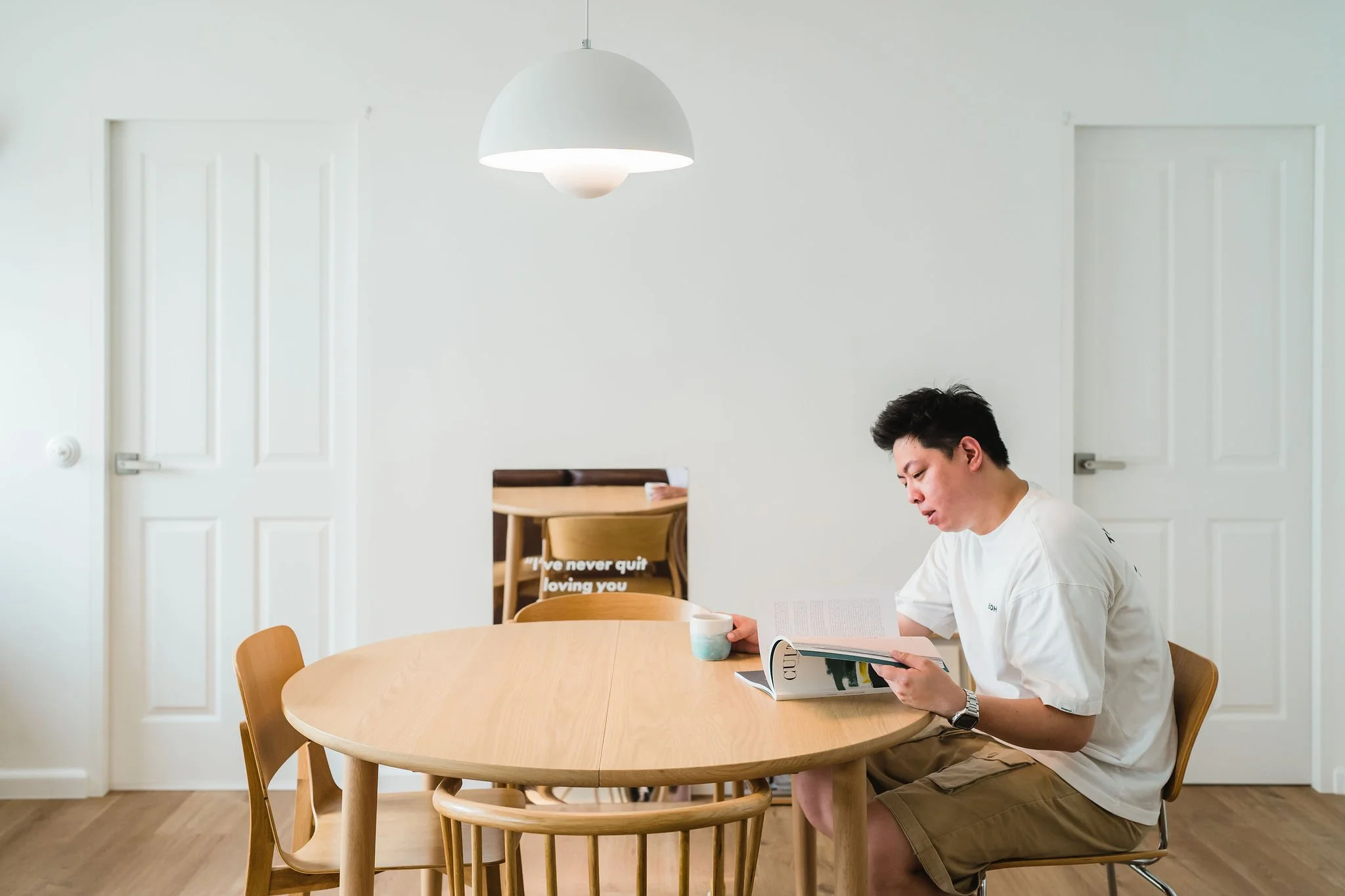
Alternatively, choose furniture with exposed legs rather than solid bases to allow natural light to pass underneath (like the furniture in the photo on the left!). The visible floor space helps maintain an uninterrupted visual plane, creating a sense of continuity throughout the room. Similarly, taller vertical elements like floor-to-ceiling doors and tall bookshelves draw the eye upward and emphasise the height of your space. If you do not like the look of tall furniture, incorporate vertical striped walls instead. Vertical accents highlight the height of your space, making rooms feel more spacious and grand.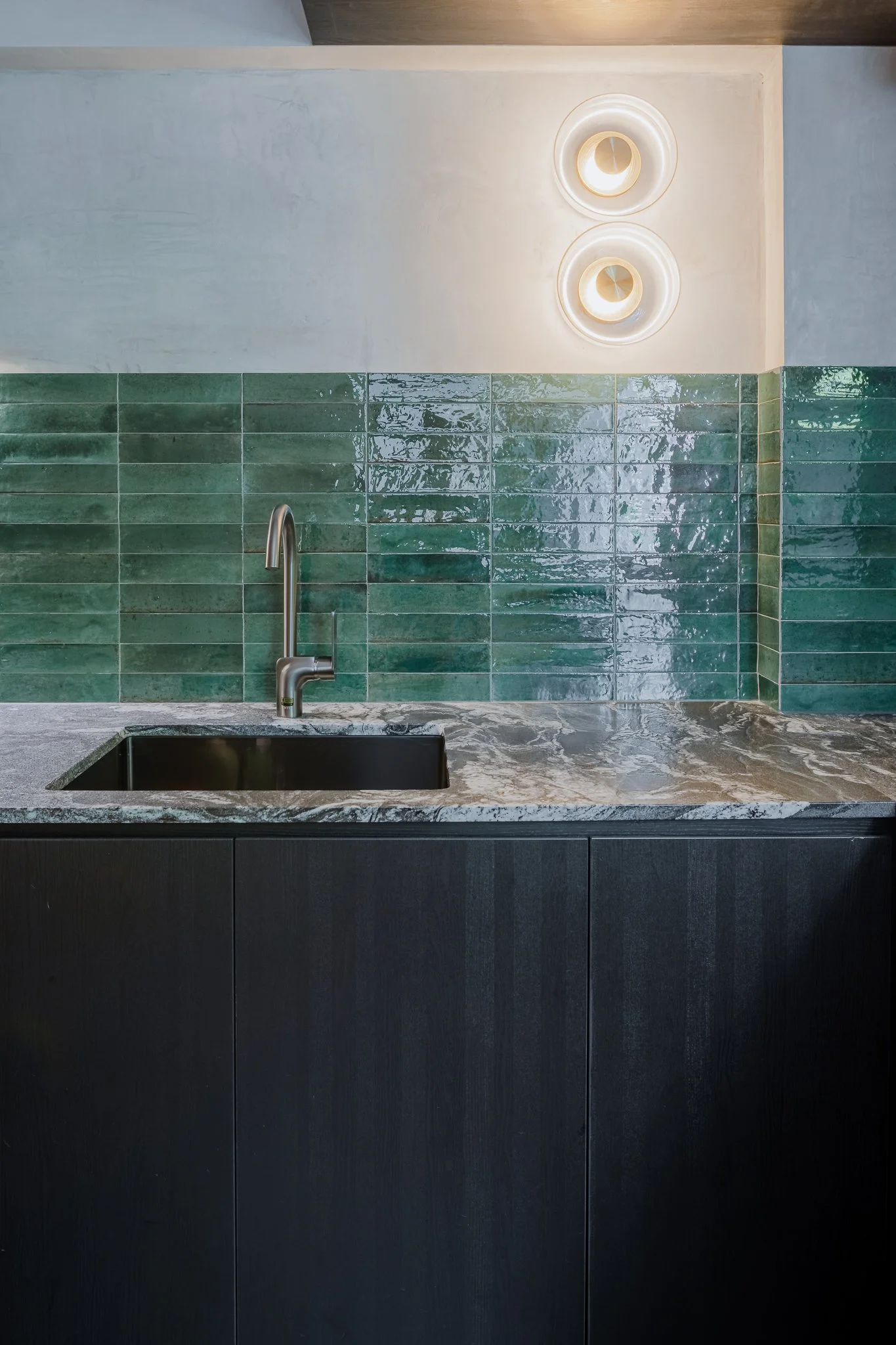
2. Use Reflective Surfaces Beyond Mirrors
Mirrors are a classic, go-to design element for making small spaces feel larger, but reflective surfaces go far beyond just mirrors. Glossy tiles, lacquered furniture, and metallic accents all reflect and bounce light around the room, unlike matte surfaces that tend to absorb it. This dynamic play of light adds depth and dimension, visually expanding your space.

Additionally, furniture made from transparent materials like glass, acrylic, or lucite helps maintain a sense of openness in compact rooms. These see-through pieces take up less visual space, reducing clutter and keeping the atmosphere light and airy. To extend this effect, consider sheer curtains or translucent fabrics for windows and room dividers as they allow daylight to filter gently, brightening the space without weighing it down.
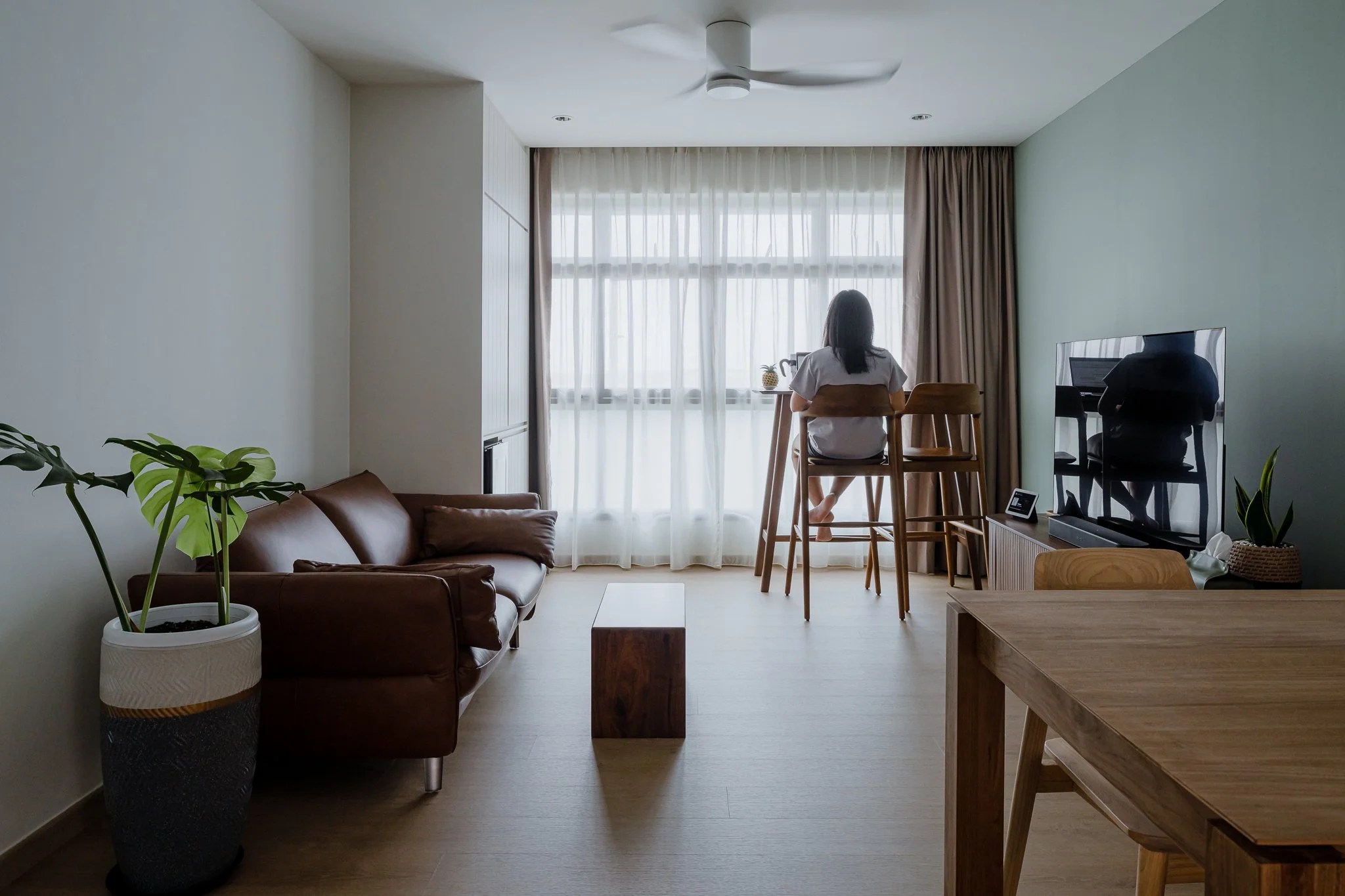
High contrast between your walls and floors can visually break up a room, making it feel segmented and confined. Instead, opting for a consistent colour palette or tonal range throughout creates a seamless flow that expands the perception of space. By elongating sightlines and minimizing visual interruptions, this approach fosters a spacious atmosphere that feels both harmonious and inviting.3. Limit colour contrast between walls and floors
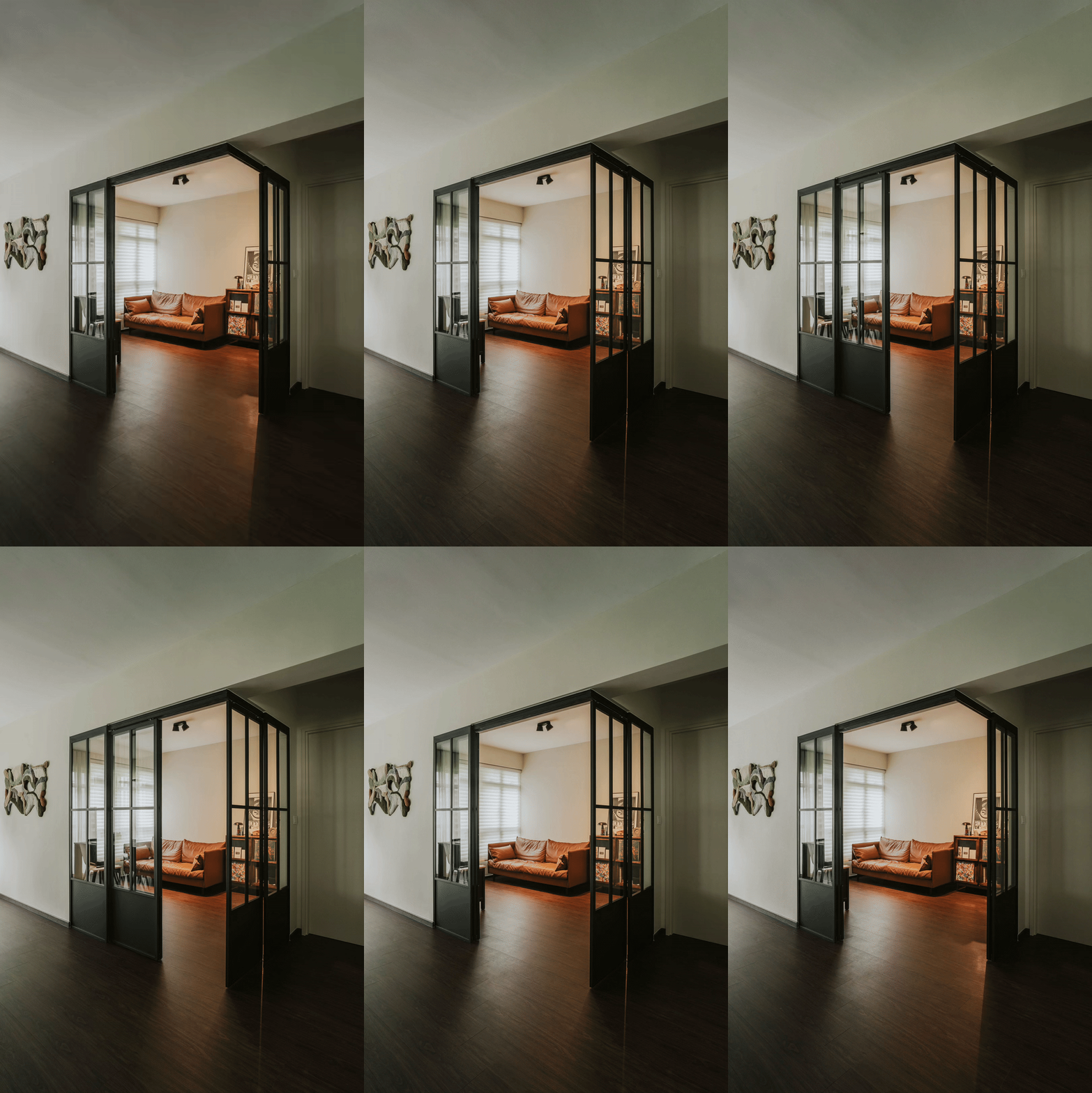
Open concept layouts remain popular in 2025 and their application is continuously evolving to suit modern living. A key strategy within this design approach is to replace traditional solid walls with partitions or partial dividers. While full walls block light and sightlines, partitions provide subtle delineations between different areas and allow the flow of light. By defining spaces without enclosing them, these adaptable dividers create a spacious and harmonious environment that promotes interaction without sacrificing privacy or style.4. Fewer Walls, More Partitions
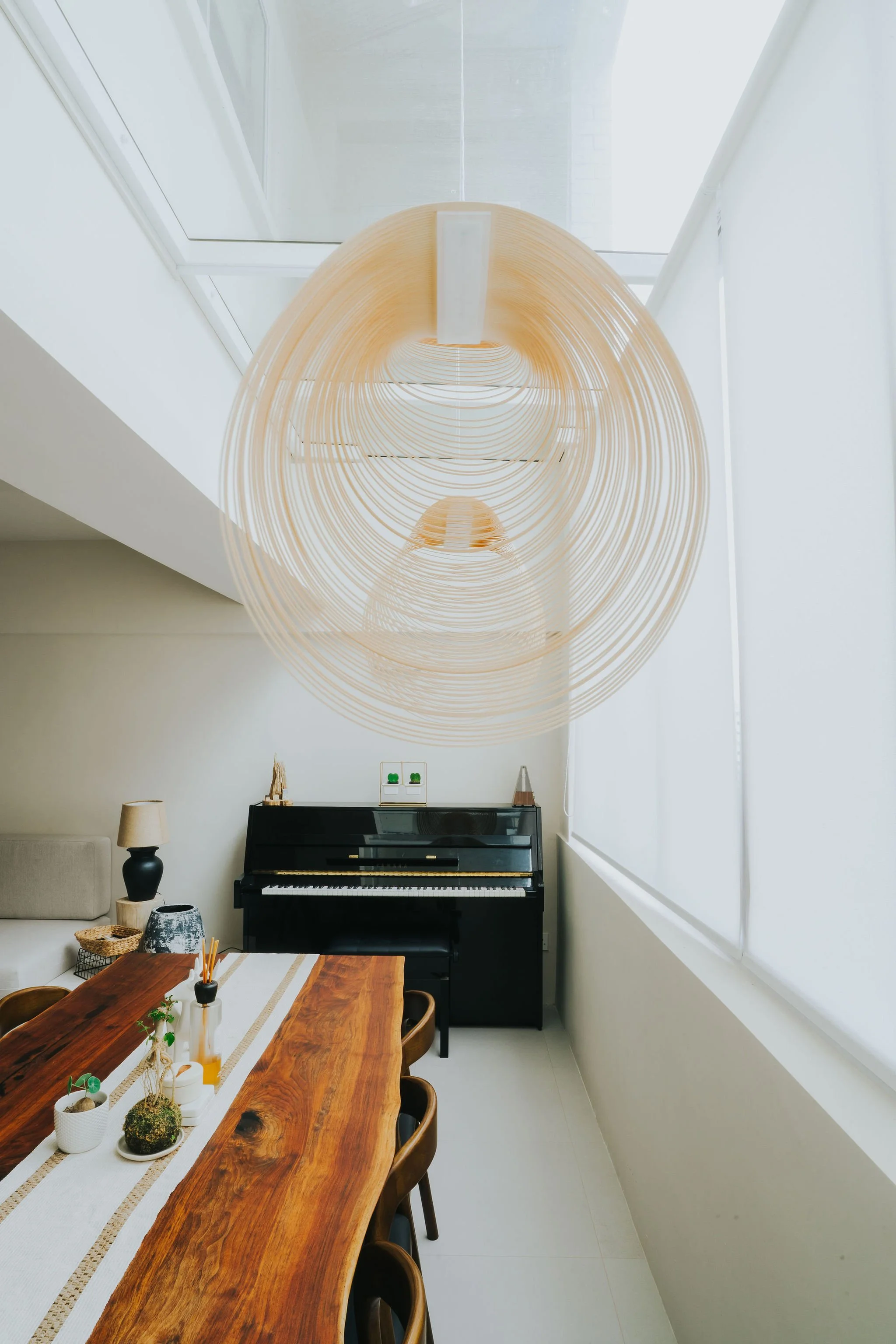
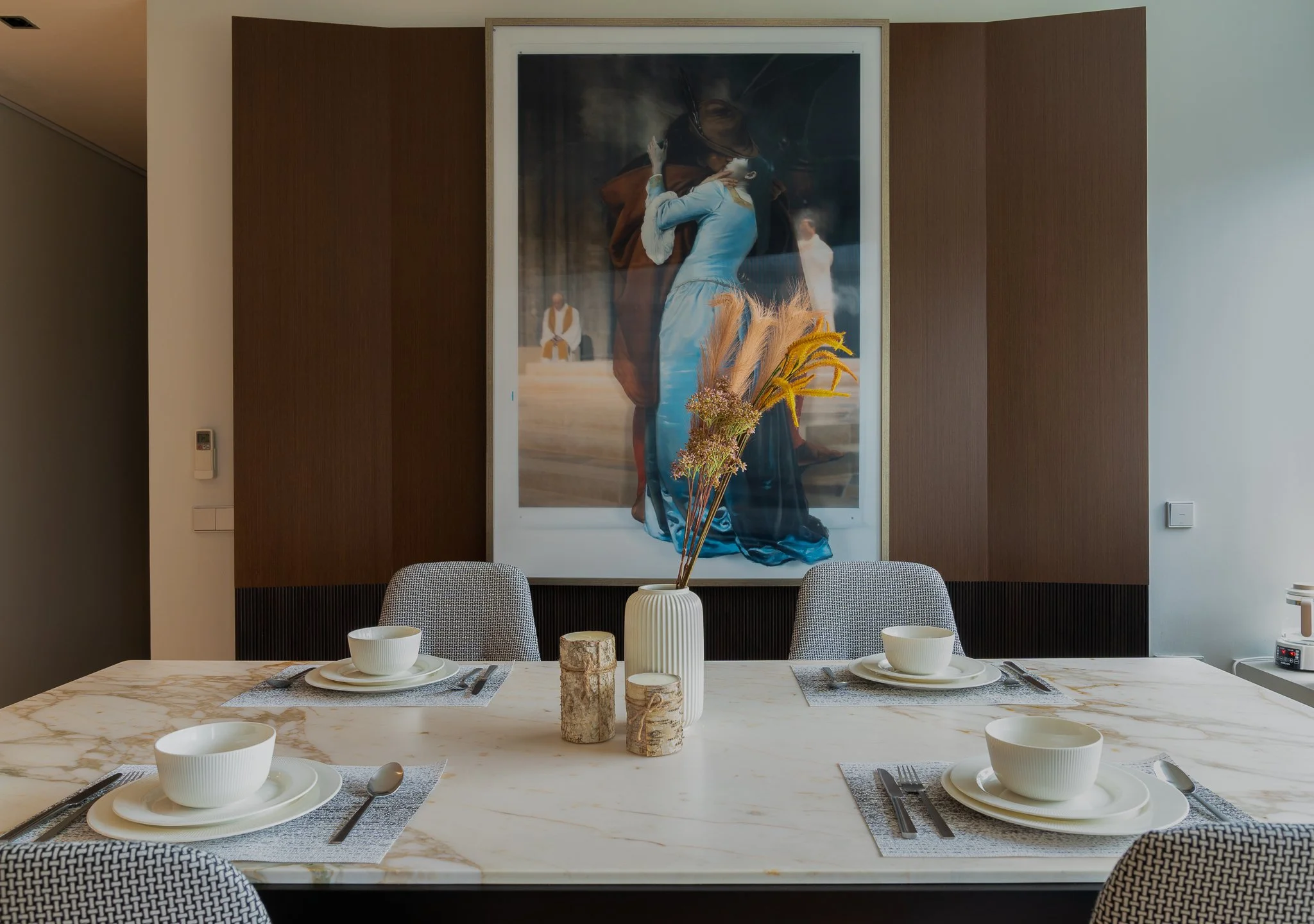
Setting a focal point in a room directs the eye along subtle, invisible lines that shape how we perceive the space. Lines are powerful design tools that influence attention and the sense of a room’s dimensions. For instance, a statement piece like a large artwork or furniture featuring strong vertical lines can draw the eye upward, emphasising height and making the room feel taller. Conversely, horizontal lines can visually widen a space, extending the perceived breadth of the room. When paired with a thoughtfully chosen focal element, these lines lead the viewer’s gaze throughout the room, creating depth and inviting visual exploration beyond the immediate surroundings. This dynamic interplay between lines and focal points transforms the space into a visually engaging environment that feels larger, more open, and thoughtfully composed.5. Statement Piece for Focal Point
Designing a small HDB or condo is less about restriction and more about precision. By selectively incorporating furniture, materials, and colours, Insight.Out Studio believes that every square foot is an opportunity for function and style to work together. A summary
-
✽
Show Off Your Floors and Walls
-
✽
Use Reflective Surfaces Beyond Mirrors
-
✽
Limit colour contrast between walls and floors
-
✽
Fewer Walls, More Partitions
-
✽
Statement Piece for Focal Point
Want More Inspiration?